
Barış Yavaş
Secretary General
UN accredited · UNITAR / CIFAL Istanbul
2026 Elite Edition
8–10 May 2026
Academics
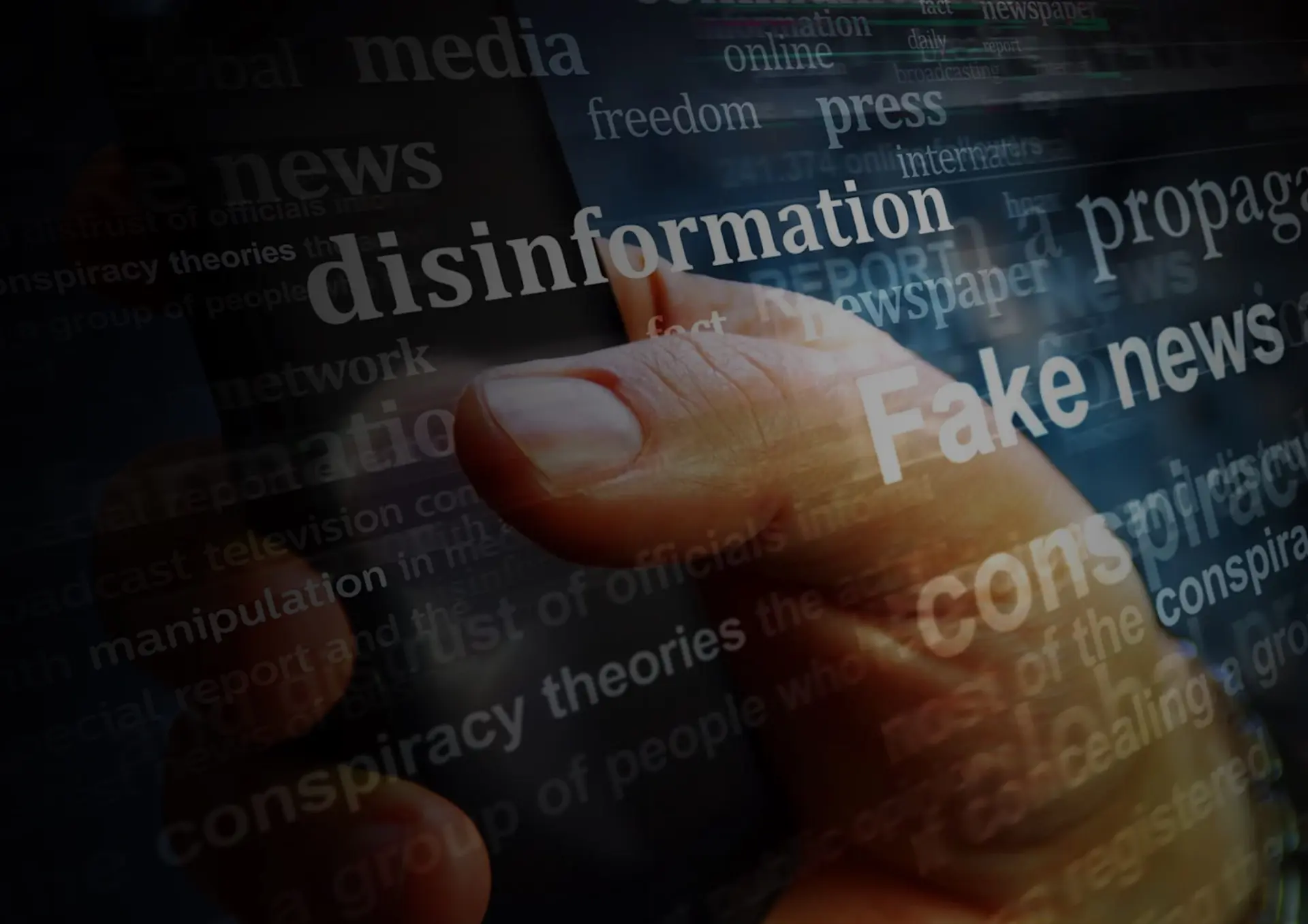
In today’s information age, power is no longer exercised only through laws or force but it is increasingly shaped through narratives. Across the world, state-controlled or state-influenced messaging can shape public perception, blur the line between truth and manipulation, and weaken democratic dialogue. When disinformation becomes normalized, it does not only distort facts; it erodes freedom of expression, fractures social trust, and threatens the stability of societies.
As part of the United Nations General Assembly, SOCHUM stands at the center of protecting fundamental human rights in an evolving digital and media landscape. Addressing this agenda means safeguarding the right to information, strengthening media integrity, protecting independent journalism, and ensuring that national security narratives are not used to justify censorship or public manipulation.
If disinformation continues to spread unchecked, societies risk losing not only truth, but also trust in institutions, in the media, and in each other. Protecting freedom of expression today is essential to preserving social cohesion and democratic stability tomorrow.
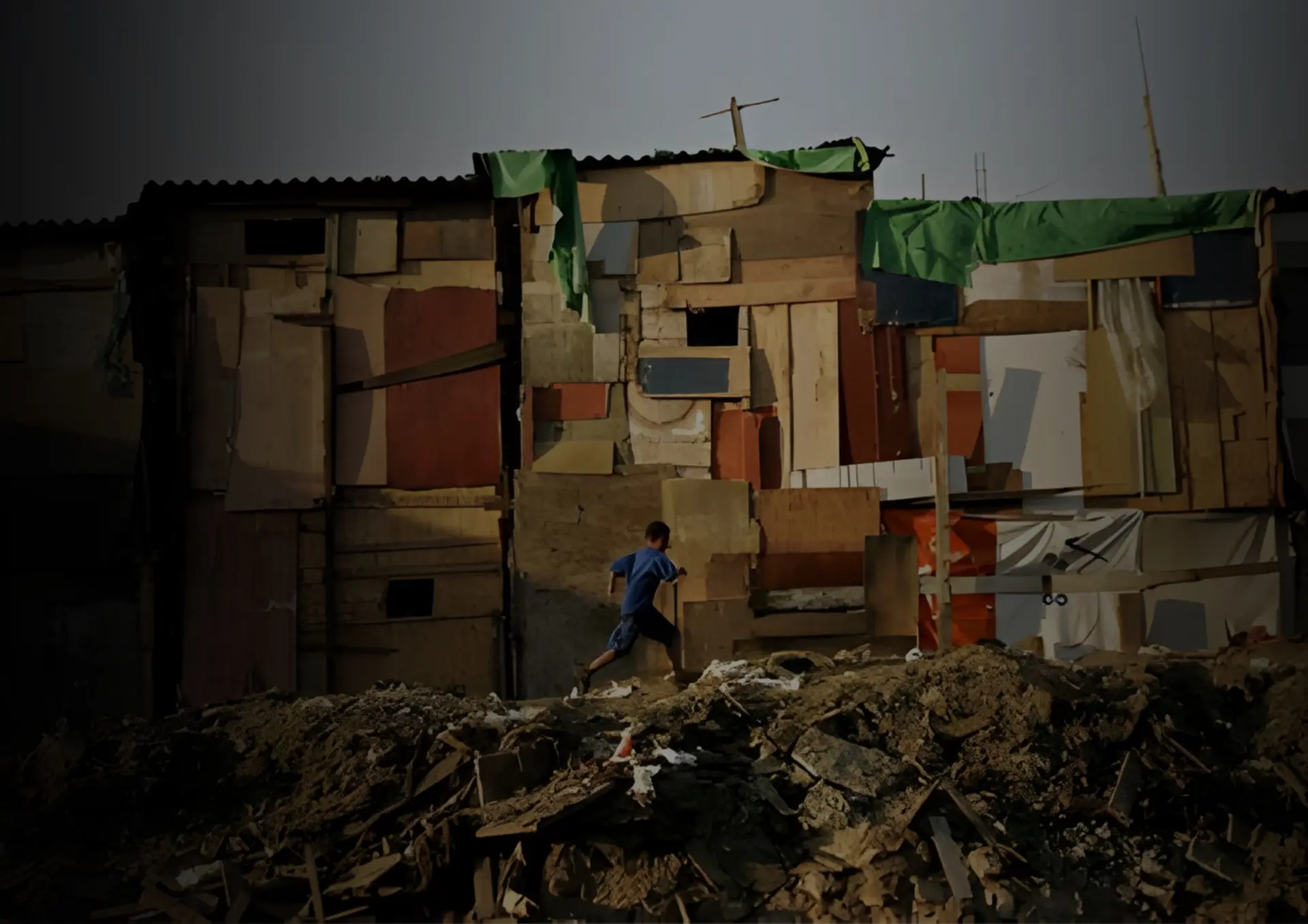
In many marginalized urban settlements, criminal networks no longer operate only as illegal groups functioning as parallel systems of power. By providing informal employment, protection, and basic services, these networks build social legitimacy, gradually replacing state authority and trapping communities in cycles of poverty, violence, and dependency.
The United Nations Office on Drugs and Crime recognizes that dismantling these structures requires more than law enforcement alone. Sustainable solutions demand strengthening state presence, expanding economic opportunities, restoring public trust in institutions, and addressing the root causes that allow criminal groups to present themselves as providers and protectors.
If criminal networks continue to fill governance and economic gaps, they will further entrench instability and weaken the rule of law. Breaking this cycle is not only a security priority, but it is essential for sustainable development, social justice, and lasting peace.
Will you become a part of the circle or will you break it?
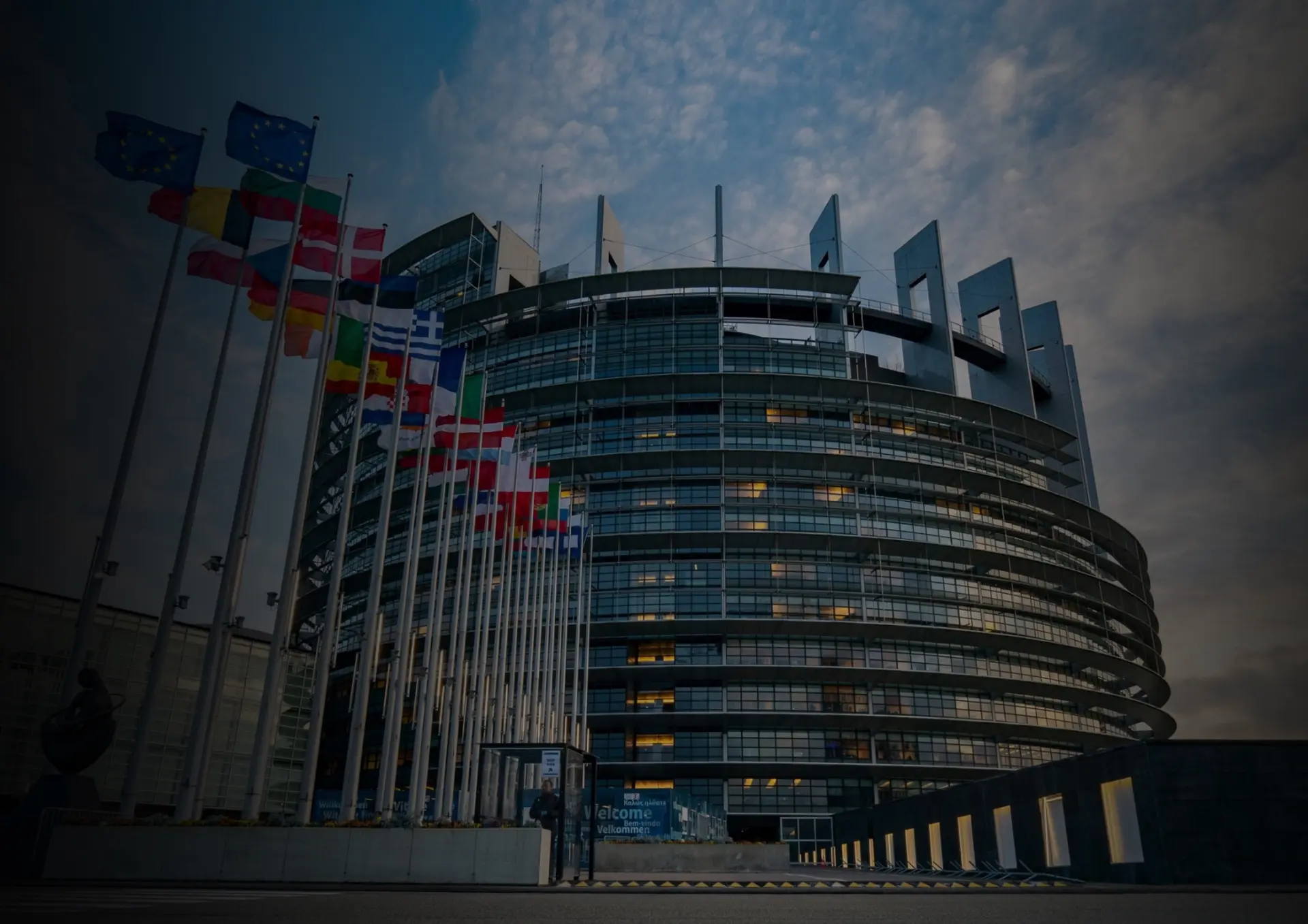
The stability of the Middle East is not a distant concern; it is intrinsically linked to Europe’s own security, prosperity, and geopolitical responsibility. Decades of protracted conflict, political fragmentation, and economic fragility in the region have created ripple effects that extend far beyond national borders. Among the most urgent of these challenges are the fragile transitions unfolding in Syria and Lebanon, moments that carry both profound risk and historic opportunity.
The European Parliament stands at the forefront of shaping a coherent and principled European response. A comprehensive Middle East strategy must go beyond crisis management. It must reinforce democratic institutions, safeguard human rights, strengthen economic resilience, and promote long-term regional stability. Supporting political transition requires not only financial assistance, but strategic coordination, diplomatic engagement, and unwavering commitment to accountability and reform.
In times of transformation, hesitation can deepen instability, while decisive cooperation can lay the foundation for sustainable peace. The credibility of the European Union as a global actor depends on its ability to act with unity, vision, and resolve.
The choices made today will determine whether transition becomes renewal, or relapse into uncertainty. Europe must not merely observe change; it must help shape it.
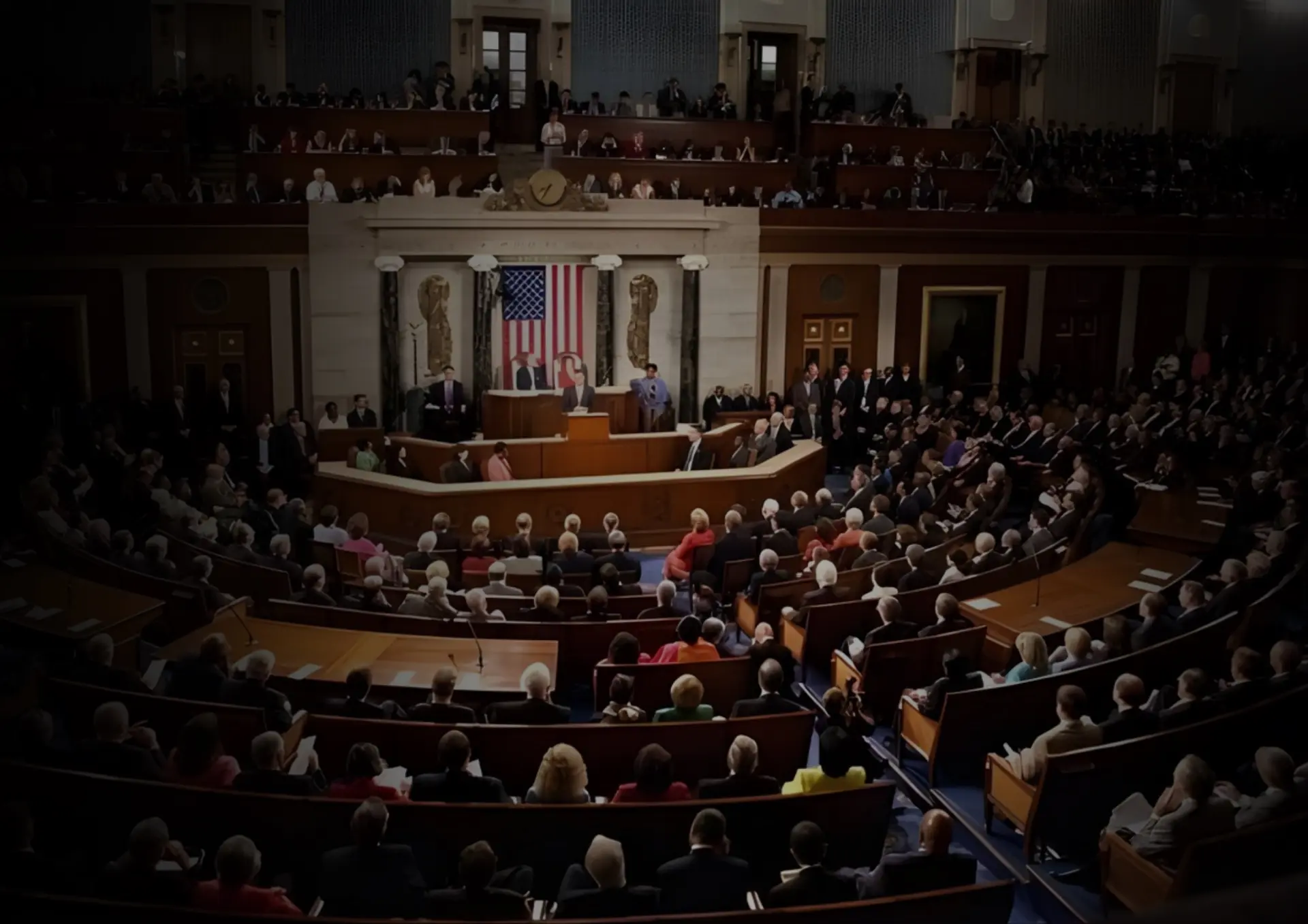
As the driving force of legislative momentum, the House of Representatives embodies responsiveness, adaptability, and political dynamism. Within this committee, delegates will engage directly with the pressing realities of artificial intelligence governance and immigration policy in a rapidly evolving national and global context, where decisions must often be made under pressure and with immediate relevance.
Working in parallel with the Senate, the House will play a critical role in shaping, challenging, and advancing legislative proposals. This interconnected structure will create a highly interactive environment in which ideas are constantly tested, refined, and redefined. Delegates are expected to be proactive, articulate, and solution-oriented, navigating a fast-paced setting where debate is both immediate and impactful.
The nature of the House requires not only strong policy understanding, but also political awareness and adaptability. Delegates must be prepared to respond to shifting priorities, emerging crises, and evolving discussions, all while maintaining clarity of purpose and direction. Through collaboration, negotiation, and decisive action, participants will contribute to a legislative process that reflects both urgency and responsibility.
In this chamber, initiative defines influence, and every voice has the potential to shape the outcome. The ability to act, respond, and lead in real time will determine not only individual success, but the overall direction of the committee itself.

The Silicon Valley Crisis Council places delegates at the forefront of the most transformative technological revolution of our time, the rapid rise of artificial intelligence in an era defined by global digital dependence.
As AI advances at unprecedented speed, markets surge, technological influence concentrates, and semiconductor industries expand under soaring demand for computational power. Yet beneath this momentum lies instability: supply chain vulnerabilities, societal disruption driven by automation, and escalating environmental costs from energy-intensive data infrastructure.
In this high-stakes environment, innovation cannot exist without responsibility. Delegates must balance economic ambition with global stability, corporate competition with ethical governance, and technological progress with sustainability.
The future of artificial intelligence will not shape itself, it will be shaped by the decisions made here.
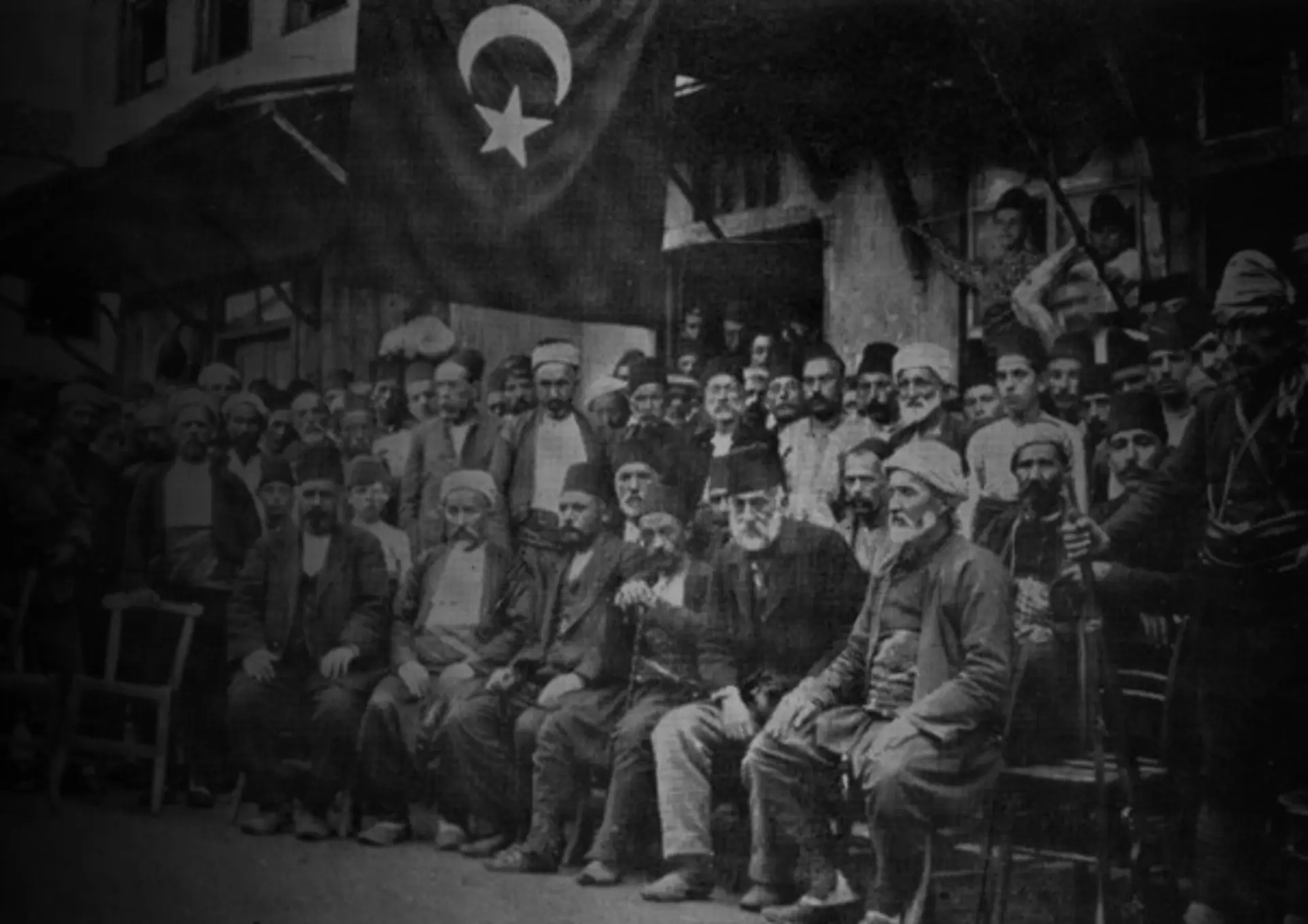
History is often shaped in moments of uncertainty, where power is fragile and legitimacy is contested. This committee places delegates at the center of one such moment the brief existence of the Provisional Government of Western Thrace.
Emerging in 1913 amid the chaos of the Second Balkan War, this provisional entity was formed in a region caught between collapsing imperial authority and expanding nation-states. As control over Western Thrace shifted, local actors sought to establish a governing structure to secure their political and social survival.
Delegates will navigate a complex landscape of regional rivalries, competing claims, and fragile alliances. Questions of sovereignty, minority rights, and international recognition will define the course of debate, where every decision carries lasting consequences.
There are no perfect outcomes, only choices that shape survival or disappearance.
Here, history is still being written.
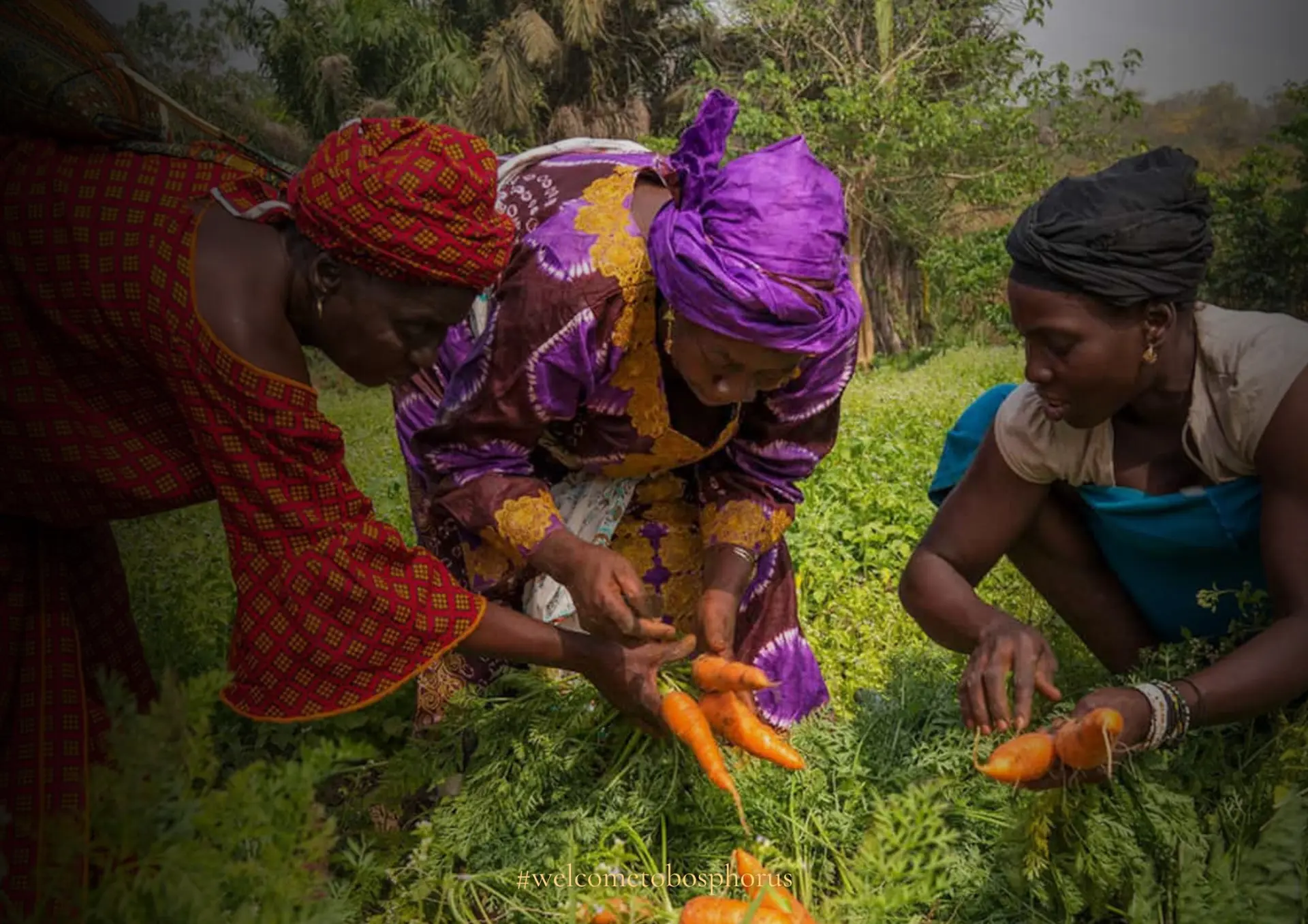
Food systems stand at the core of global stability, sustainability, and development, yet they remain deeply shaped by structural inequalities that limit women’s role in agriculture. Despite being essential to production, women continue to face barriers in access to land, financial resources, decision-making mechanisms, and institutional representation.
This committee explores global food systems through the lens of women’s empowerment, challenging participants to address not only visible inequalities, but also the institutional and traditional structures that sustain them. As pressures from climate change, food insecurity, and economic instability intensify, the need to rethink who holds power within agricultural systems becomes increasingly urgent.
Operating within the FAO framework, discussions will move beyond surface-level solutions, focusing instead on sustainable, inclusive, and realistic approaches that balance productivity with equity. Delegates will be expected to navigate the intersection of development and tradition, local realities and global priorities, and economic growth and social justice.
This is not merely a question of inclusion.
It is a question of redefining the systems that feed the world.

Disasters are no longer isolated events, they are recurring, complex crises shaped by climate change, urban vulnerability, and fragile governance structures. In this evolving landscape, resilience is no longer defined solely by response, but by preparedness, local capacity, and the ability to recover effectively.
This committee focuses on strengthening locally led disaster risk reduction while ensuring recovery readiness in vulnerable and high-risk regions. Despite global frameworks and international support mechanisms, gaps persist at the local level, where communities often face limited resources, insufficient infrastructure, and weak institutional coordination.
Operating within the UNDRR framework, discussions will address the critical role of local actors in identifying risks, implementing preventative measures, and leading recovery processes. Delegates will be challenged to bridge the gap between global policy and local realities, balancing immediate disaster response needs with long-term resilience and sustainable development.
In an environment where crises are increasingly interconnected, this committee invites participants to rethink how preparedness, response, and recovery can be integrated into a cohesive and locally empowered system.
This is not only about managing disasters.
It is about building systems that can withstand them.
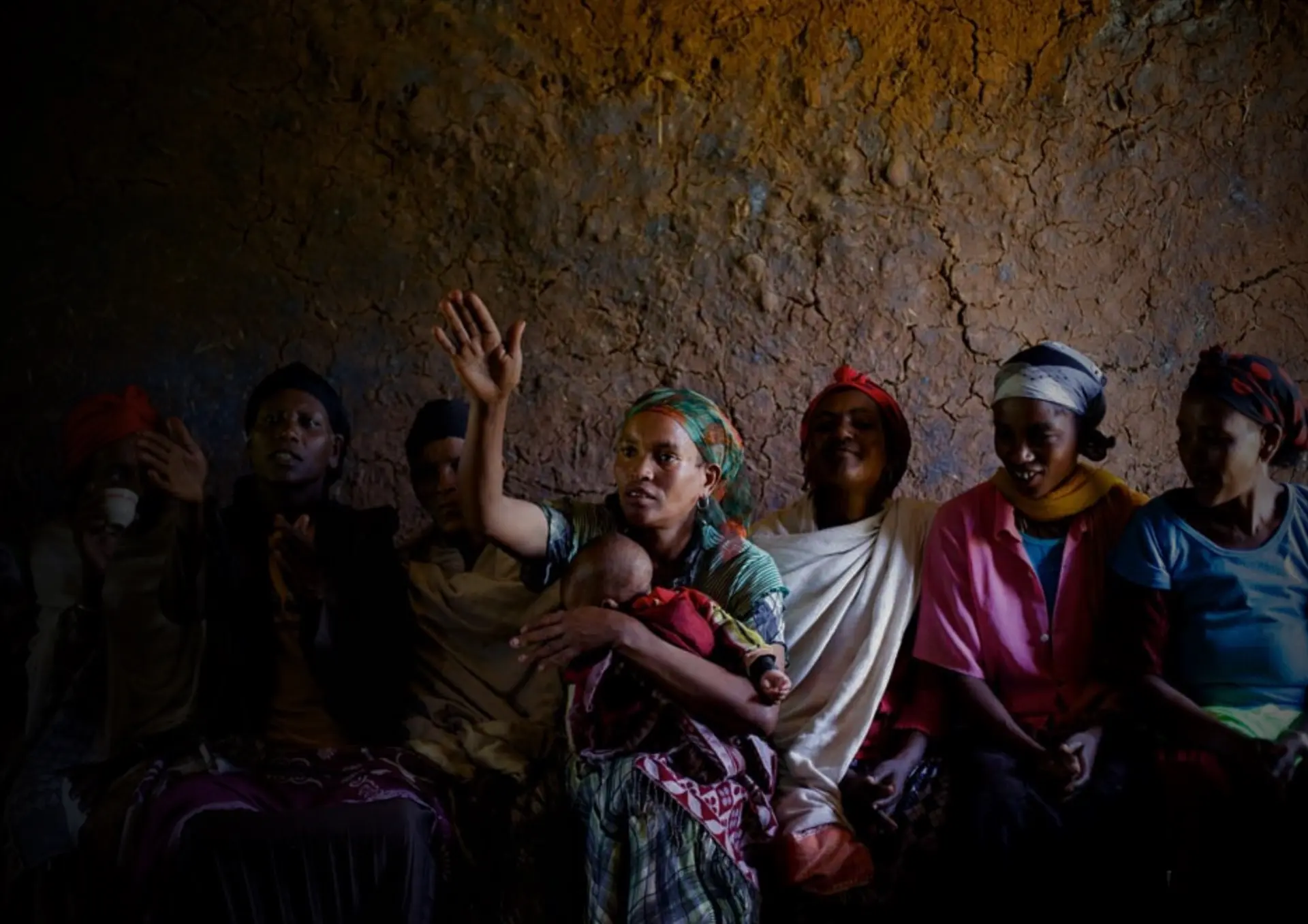
Gender-based violence and discrimination in many developing countries are deeply rooted in socio-cultural norms within traditional family systems. These harmful norms limit women’s and girls’ rights, restrict access to education and economic opportunities, and reinforce cycles of inequality across generations.
UN Women calls for urgent, community-driven action that goes beyond legal reform. Sustainable change requires transforming harmful social norms, promoting gender-equal education, empowering women economically, and engaging men and boys as partners in change.
If we fail to address the cultural roots of inequality today, we risk perpetuating violence and discrimination for future generations. Equality begins with the choices we make today.
Will you join the cause?
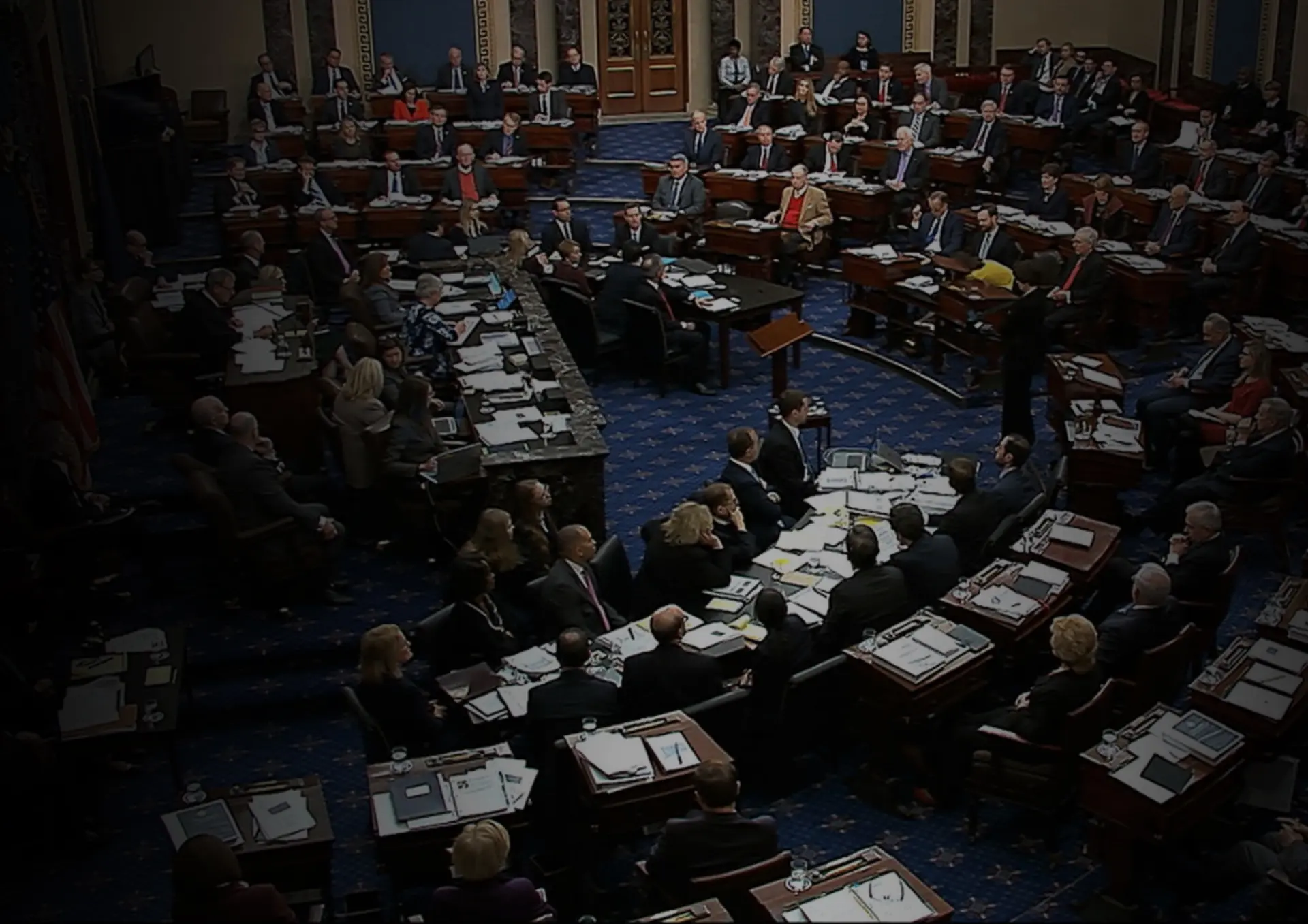
As one of the most influential deliberative bodies in the United States, the Senate stands at the intersection of long-term vision and national responsibility. Within this committee, delegates are expected to approach both artificial intelligence regulation and immigration policy with depth, foresight, and a strong sense of institutional awareness.
Operating in coordination with the House of Representatives, the Senate will engage in a dynamic legislative process where alignment is essential, yet perspectives may differ. Delegates will be required to evaluate not only the immediate implications of policy decisions, but also their long-term impact on national security, governance, and global positioning.
The Senate demands a level of debate that goes beyond surface-level argumentation. Strategic thinking, negotiation, and the ability to build sustainable frameworks will define success in this chamber.
In an environment shaped by complexity and consequence, delegates must act not only as policymakers, but as architects of enduring national strategy.
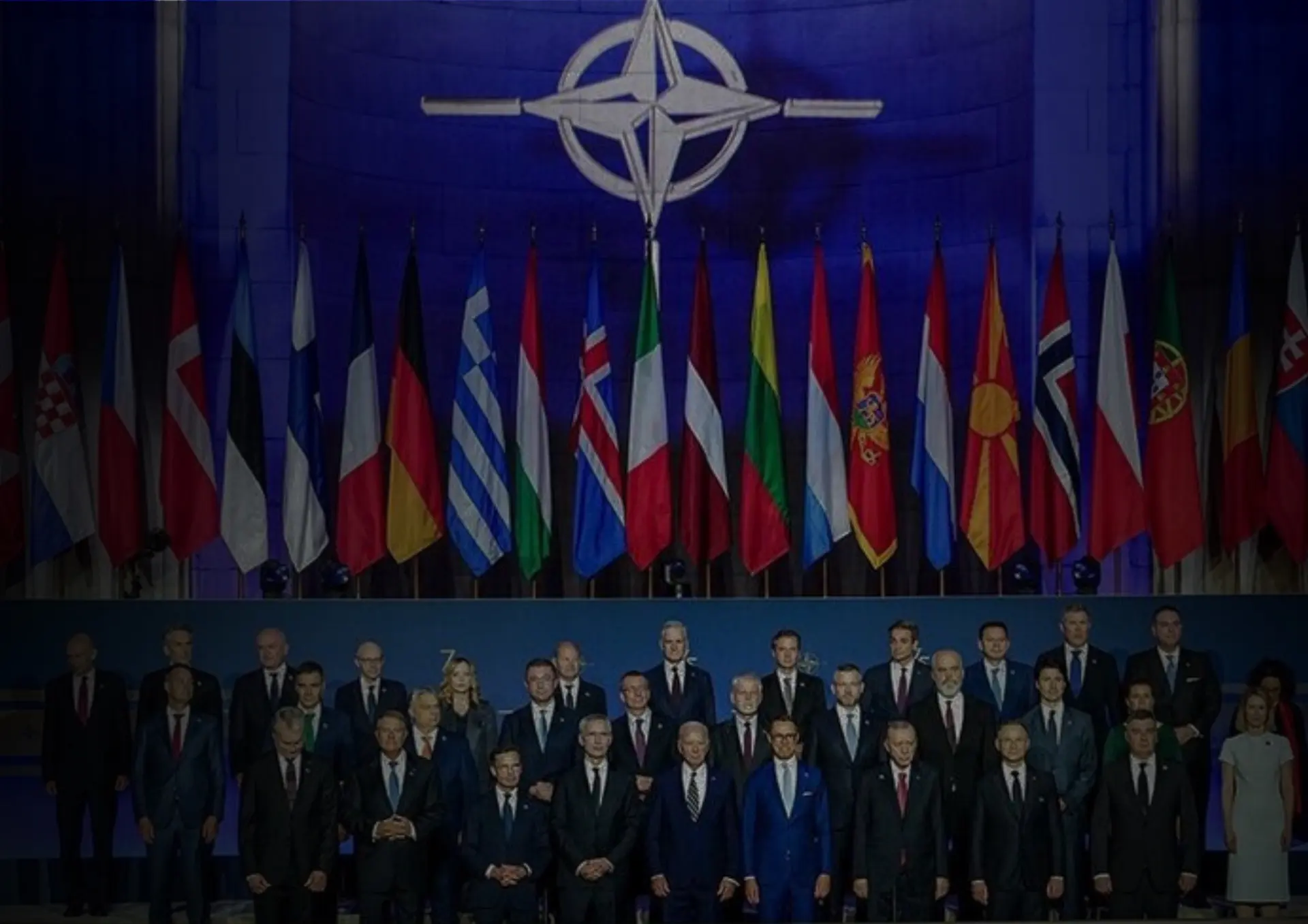
In an era shaped by rapidly evolving security threats, hybrid warfare, cyber attacks, and geopolitical instability, NATO remains a cornerstone of collective defense and international stability. The alliance unites member states under a shared commitment: that an attack against one is an attack against all, ensuring deterrence, crisis management, and cooperative security across the Euro-Atlantic region and beyond.
This committee challenges delegates to confront the most urgent and emerging global security risks of our time. It demands strategic foresight, rapid crisis response, and innovative policy making across issues such as cyber defense, disinformation, emerging technologies, and regional instability.
Global security is no longer defined solely by conventional warfare, but it is shaped by how prepared we are for threats we have yet to understand fully. The decisions made here will help shape the security landscape of the future.
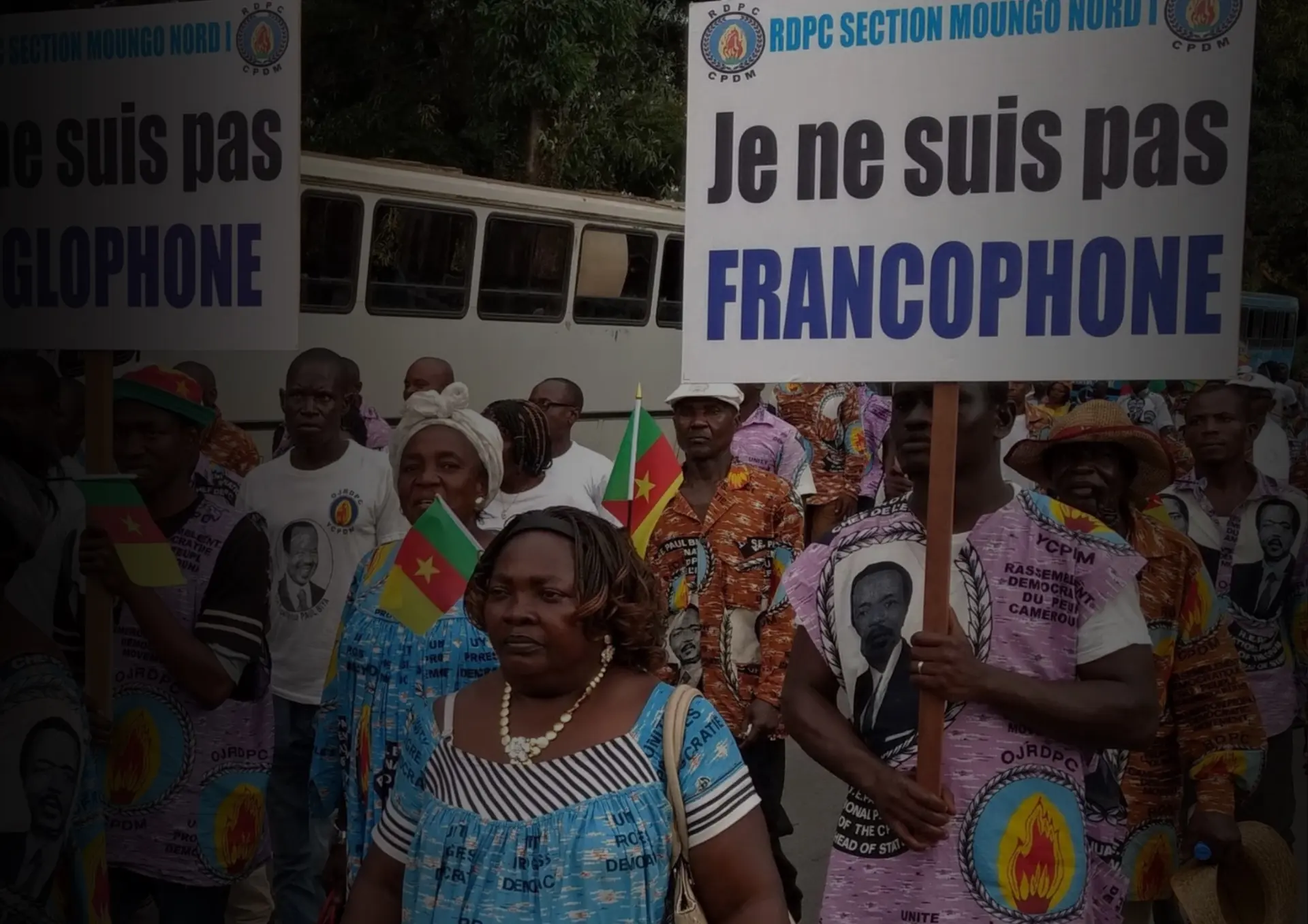
The Anglophone Crisis is not merely a domestic dispute but the result of unresolved historical grievances and political marginalization within Cameroon. What began in 2016 as peaceful protests by lawyers and teachers against the growing use of French in English-speaking regions quickly escalated after a forceful government response. By 2017, separatist groups had declared the independence of a self-proclaimed state, Ambazonia.
Since then, sustained clashes between government forces and separatists have led to civilian casualties, mass displacement, and a deepening humanitarian crisis, threatening regional stability.
A sustainable solution requires more than military action. It demands inclusive dialogue, institutional reform, civilian protection, and genuine political reconciliation. Stability must be built on legitimacy, accountability, and trust.
Leadership
Secretary General
Deputy Secretary General
Deputy Secretary General
Deputy Director General
Executive Academic Assistant

Executive Organisational Assistant
Conference Advisor
Gallery
With the support of